Project to Plant Ten Thousand Cherry Blossom Trees at Iwaki, Japan, Co-Organized with the Iwaki Executive Committee
Long-Term Project
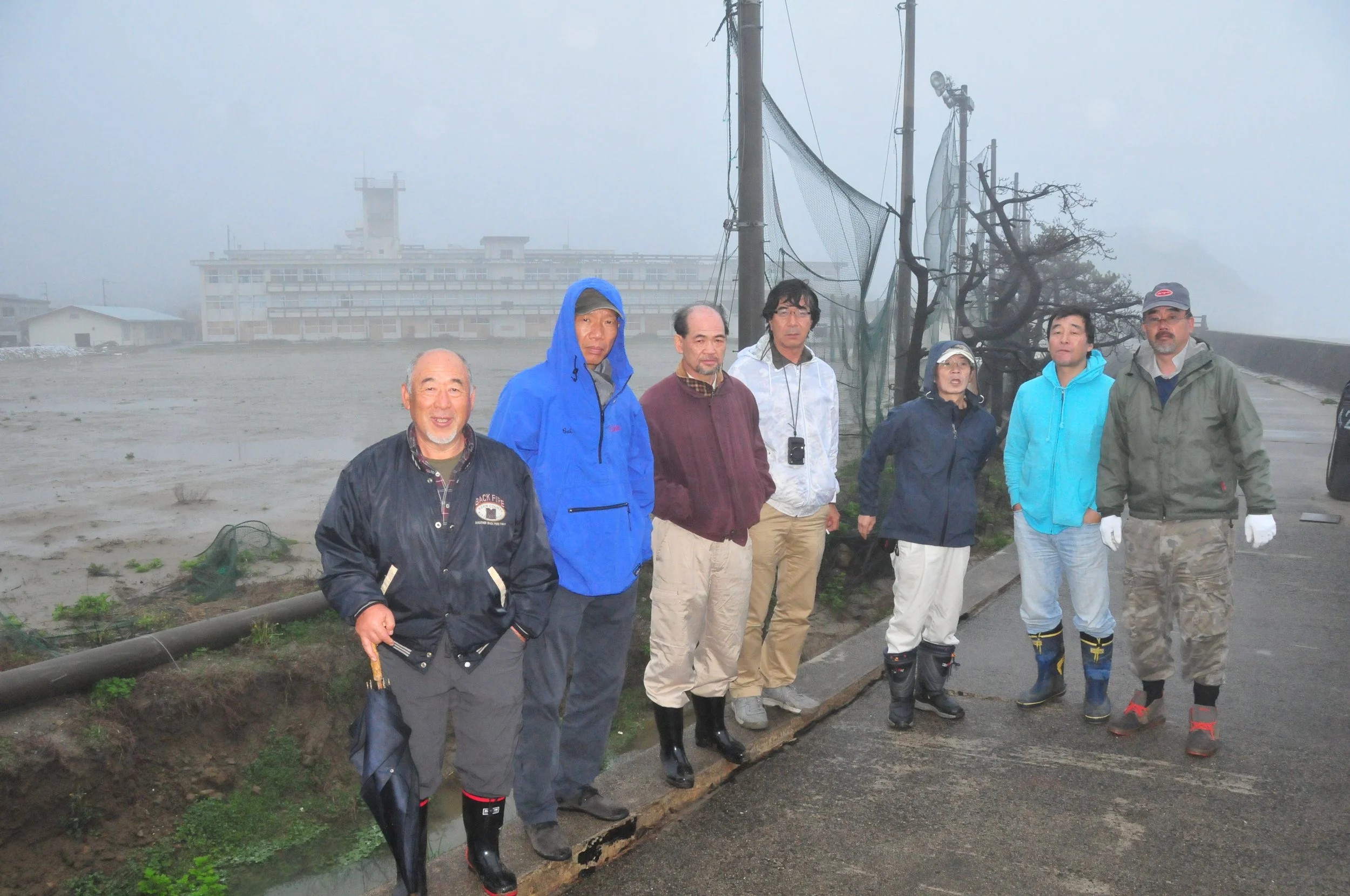
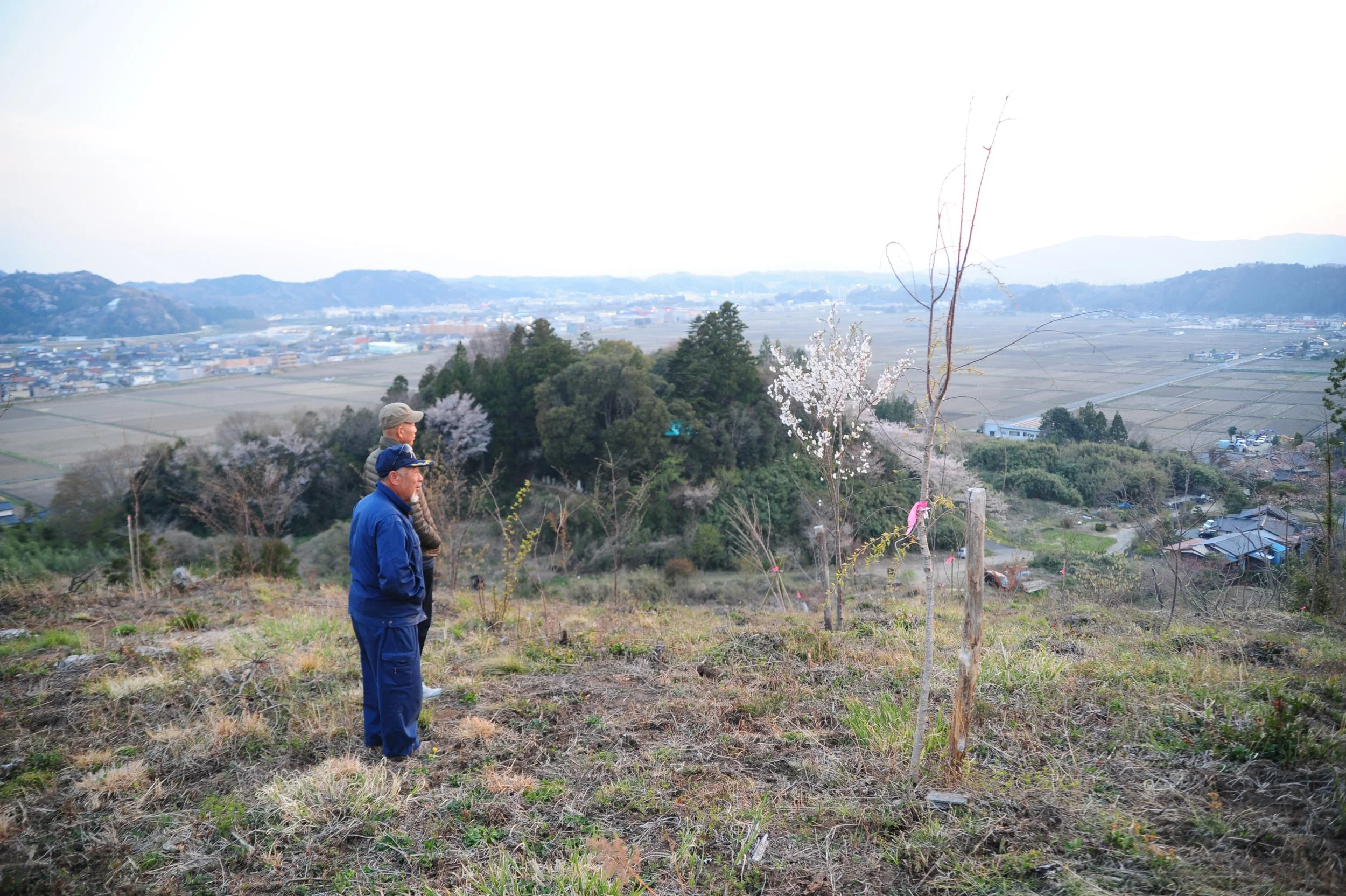
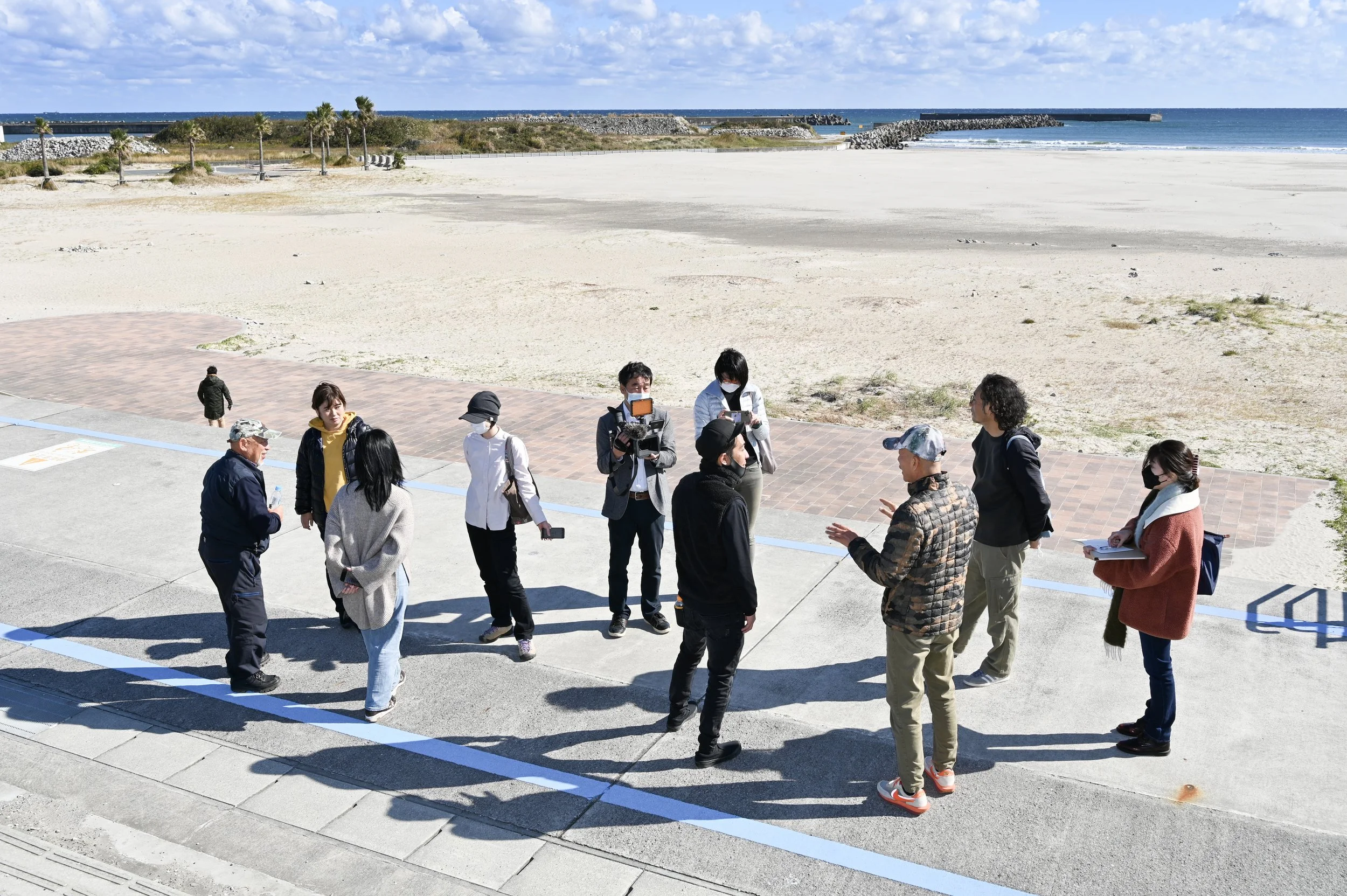
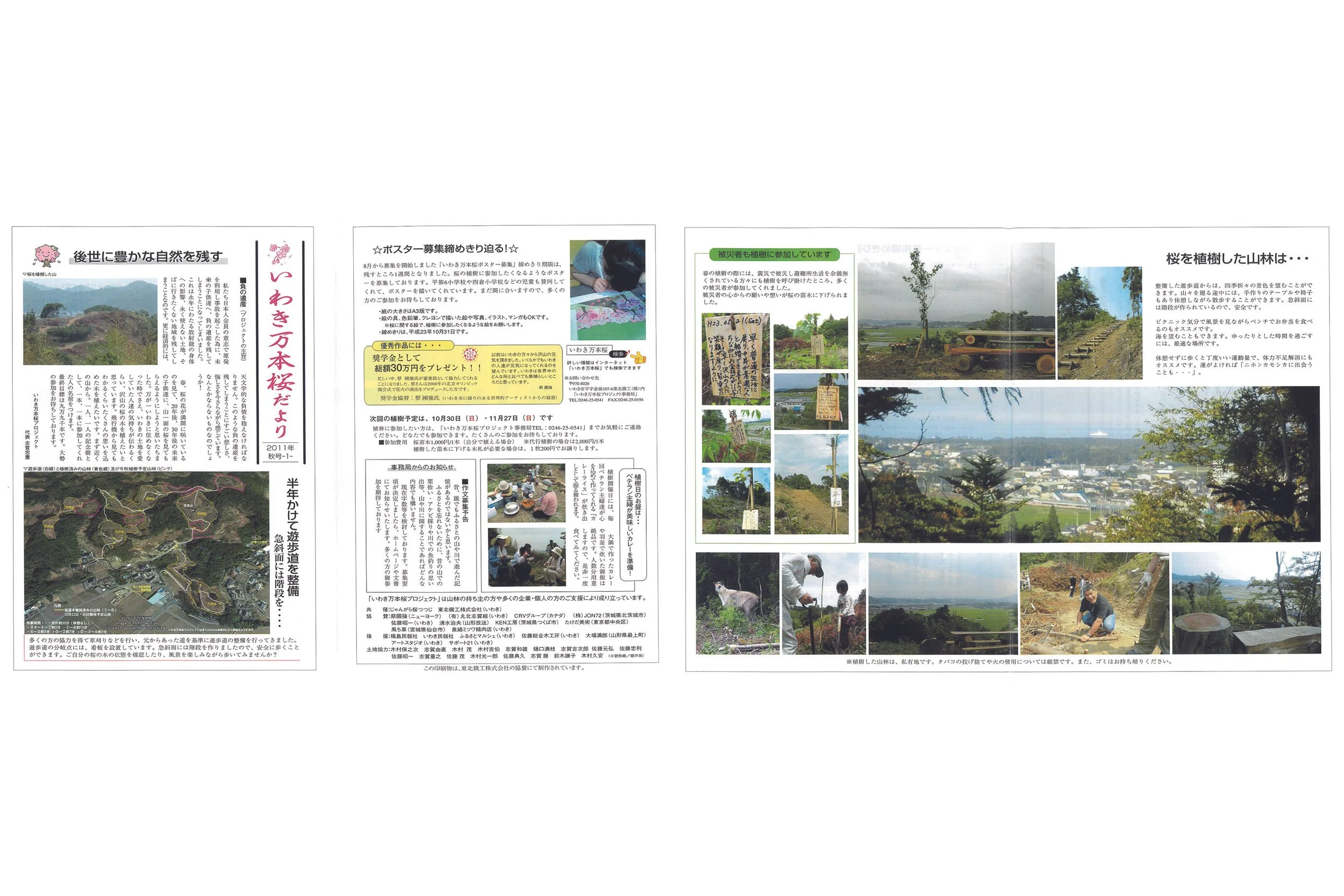
The Project to Plant Ten Thousand Cherry Blossom Trees (“Ten Thousand Cherry Blossoms”) is co-organized by the Cai Foundation and the Iwaki Executive Committee. The project is dedicated to reviving the Iwaki area by planting 99,000 cherry blossom trees following the 2011 Great East Japan Earthquake and the Fukushima nuclear disaster.
Cai Guo-Qiang’s relationship with the Iwaki community dates back to 1986, when he resided in Japan. In the immediate aftermath of the 2011 disaster, Cai auctioned a selection of his artworks to raise funds in support of his friends in Iwaki, assisting them in rebuilding their homes. The Iwaki locals proposed using these funds to plant cherry blossom trees, giving birth to the project. As the community explained, “These cherry blossoms represent remorse, as our generation constructed the nuclear power plants, leaving a profound disaster for future generations.” The collective act of planting cherry blossoms became both a symbol of atonement and a catalyst for reconstruction.
Since 2011, the Iwaki Committee has continued to accept public applications for tree planting, which may be carried out in person or entrusted to the Committee. Progress is periodically shared with the community through newsletters, fostering an enduring sense of participation.
Program Highlights
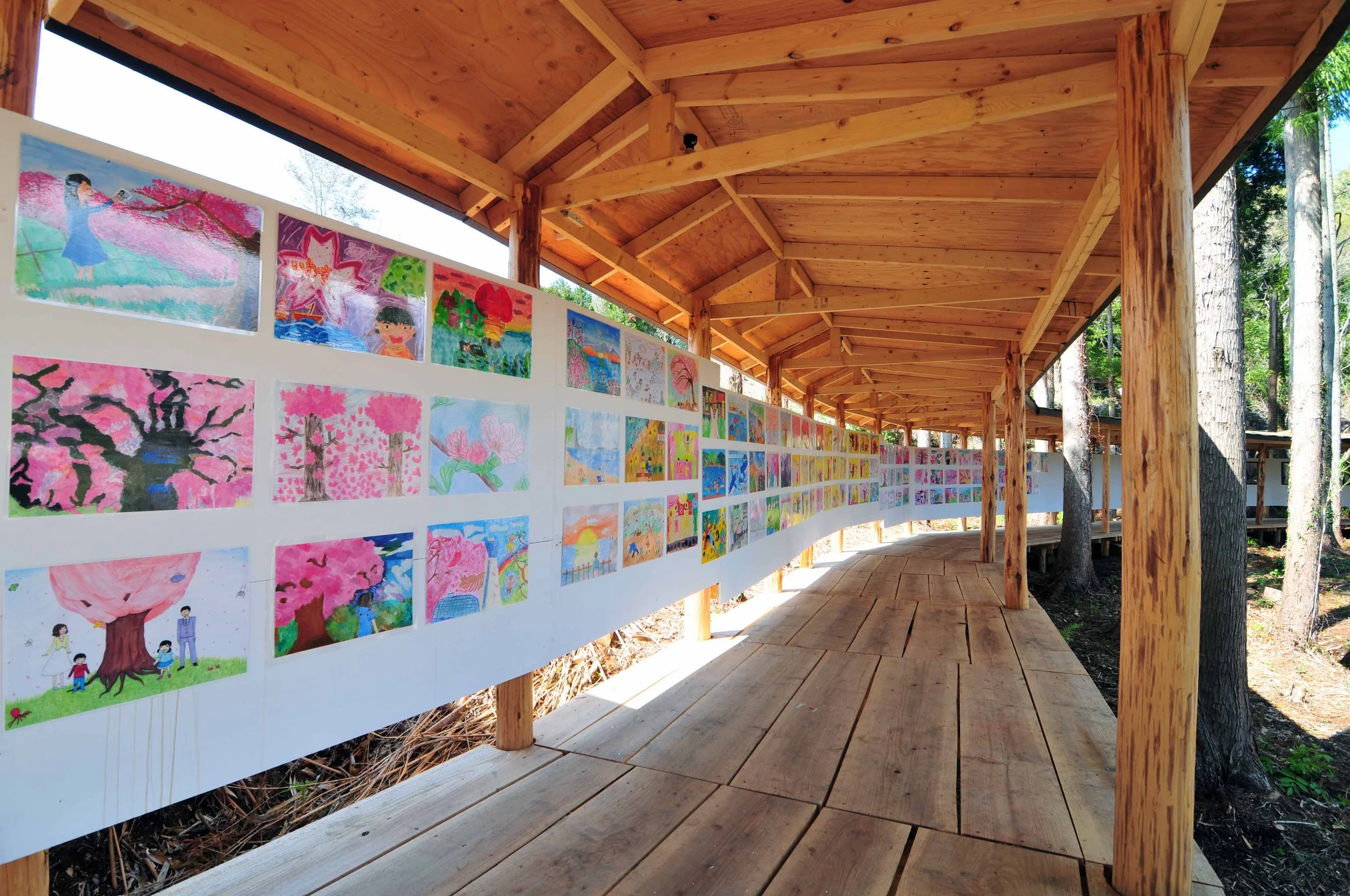
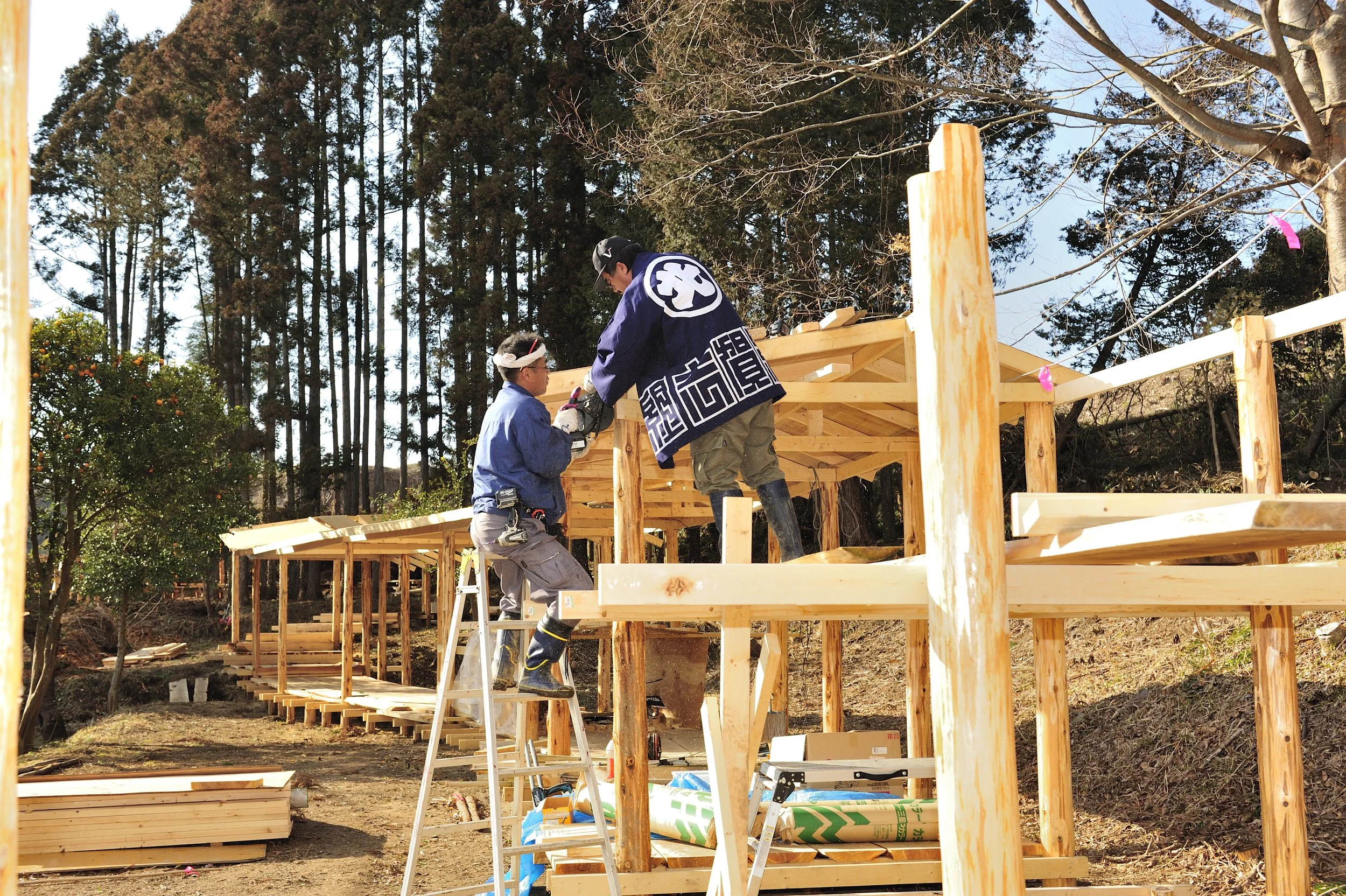
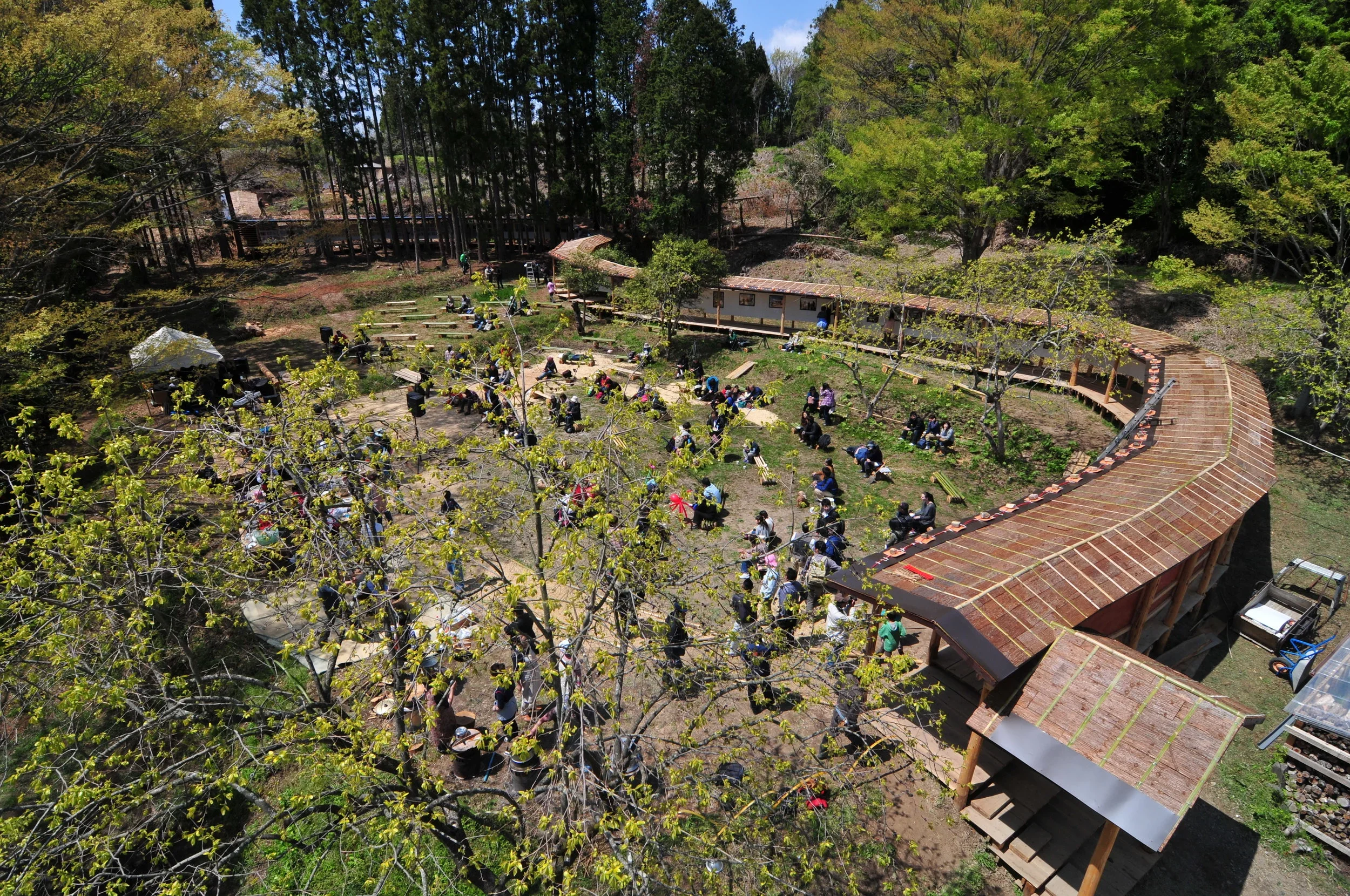
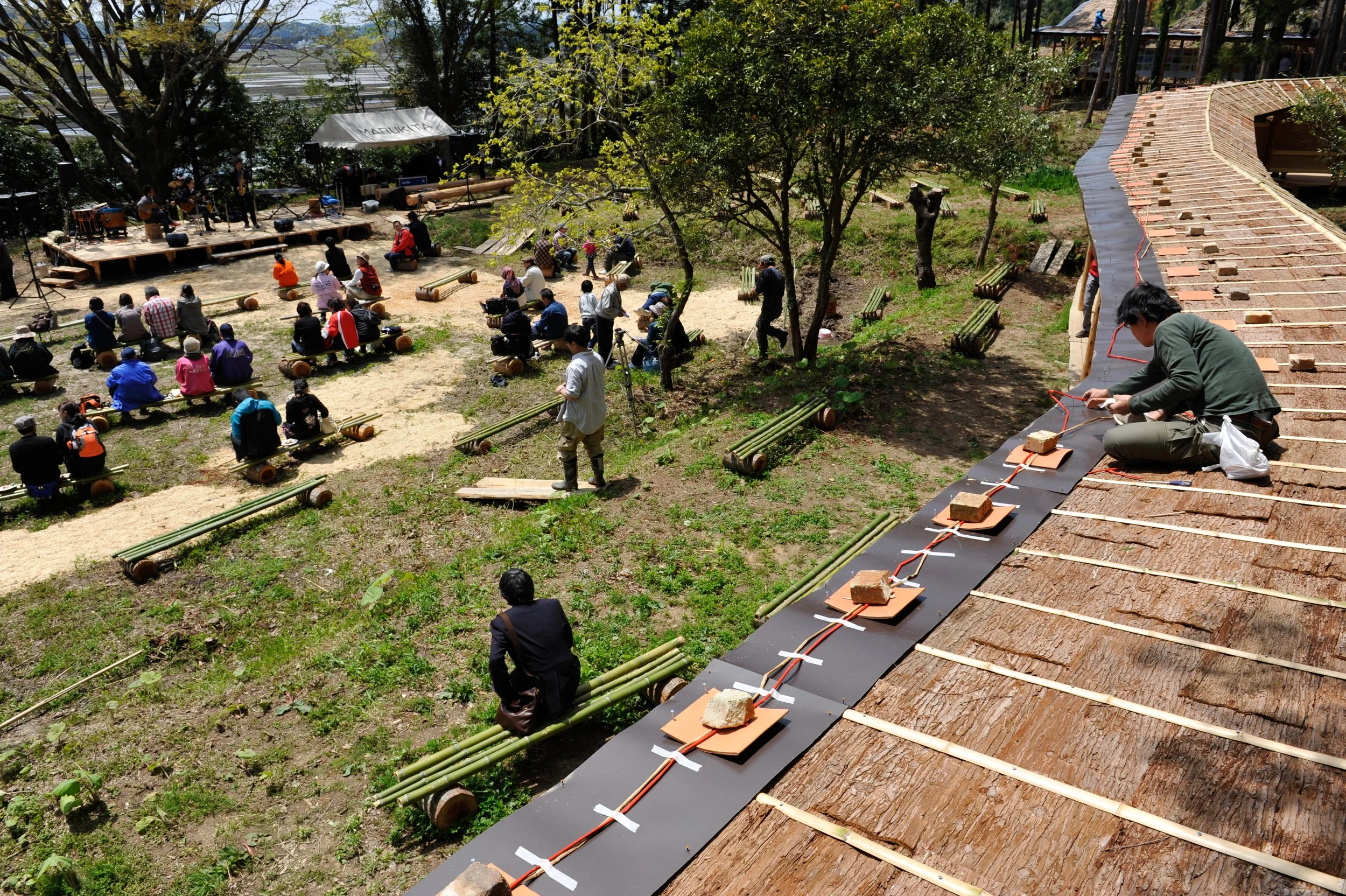
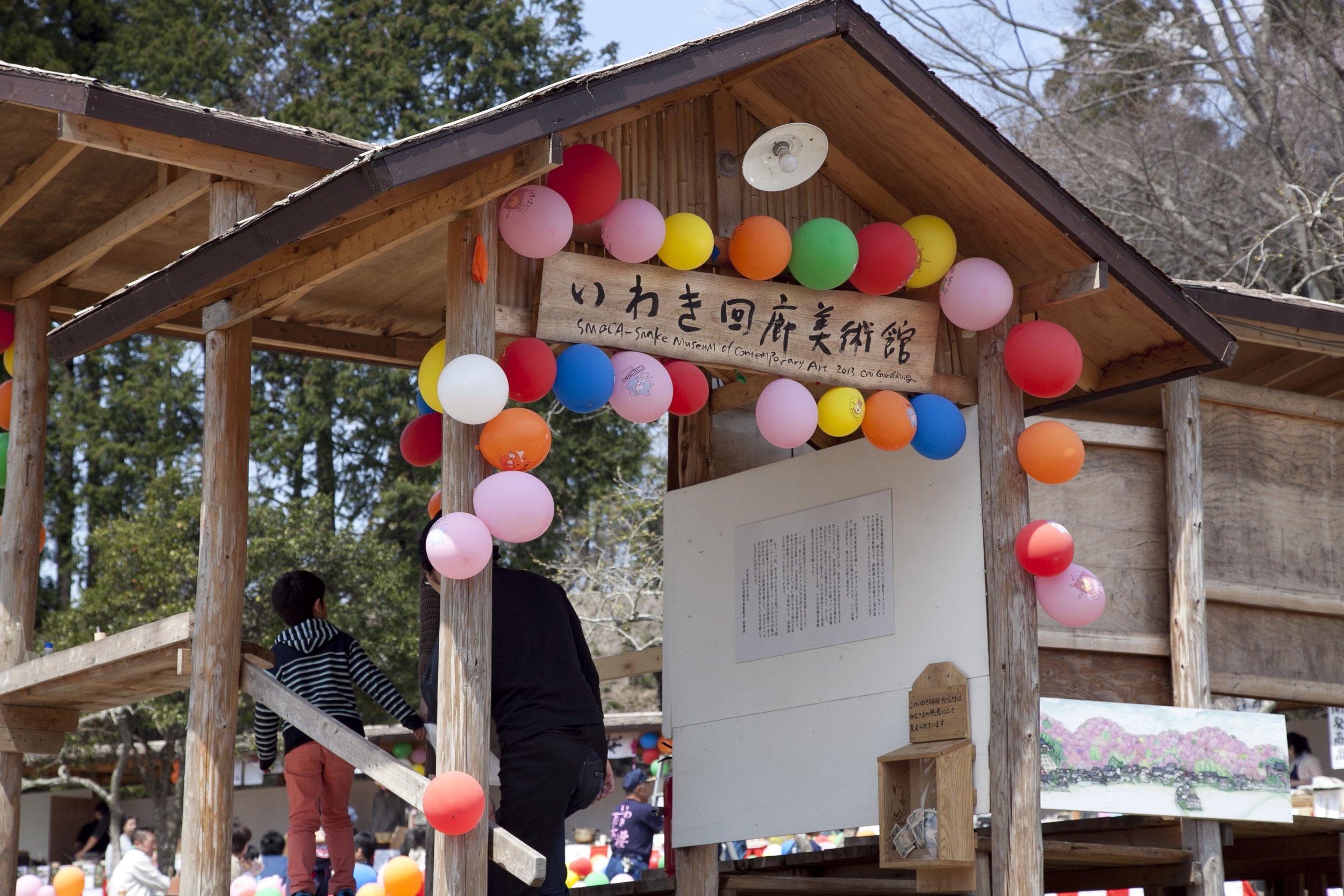
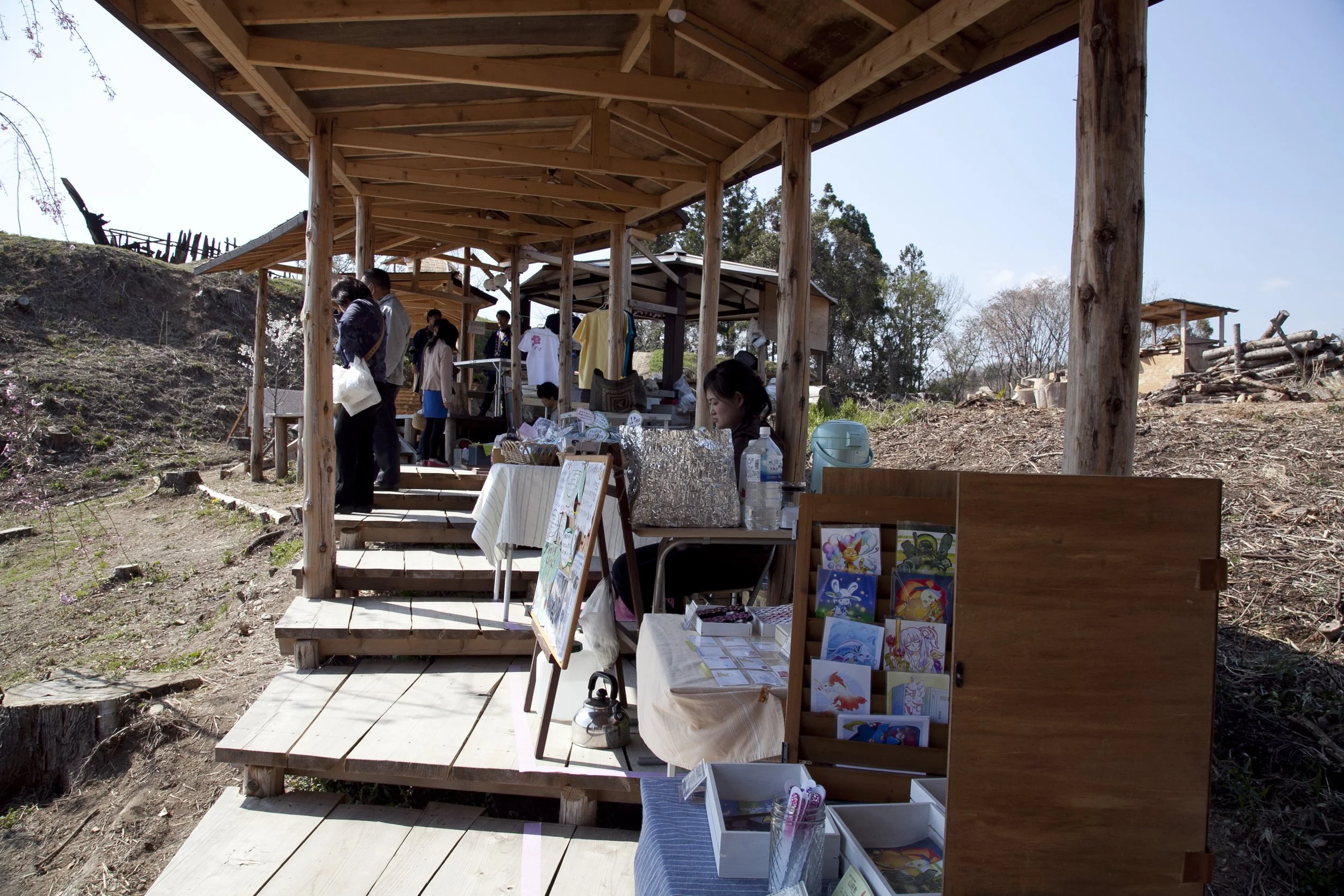
In 2013, Cai gathered the efforts of local residents and volunteers to build the Snake Museum of Contemporary Art (SMoCA). This ninety-nine-meter-long art corridor winds through the cherry blossom forest and was constructed with local wood materials contaminated by radiation. As part of Cai’s Everything is Museum series, which challenges the conventional definition of the museum, SMoCA provides a space for adults and children alike to exhibit, learn, and dream.
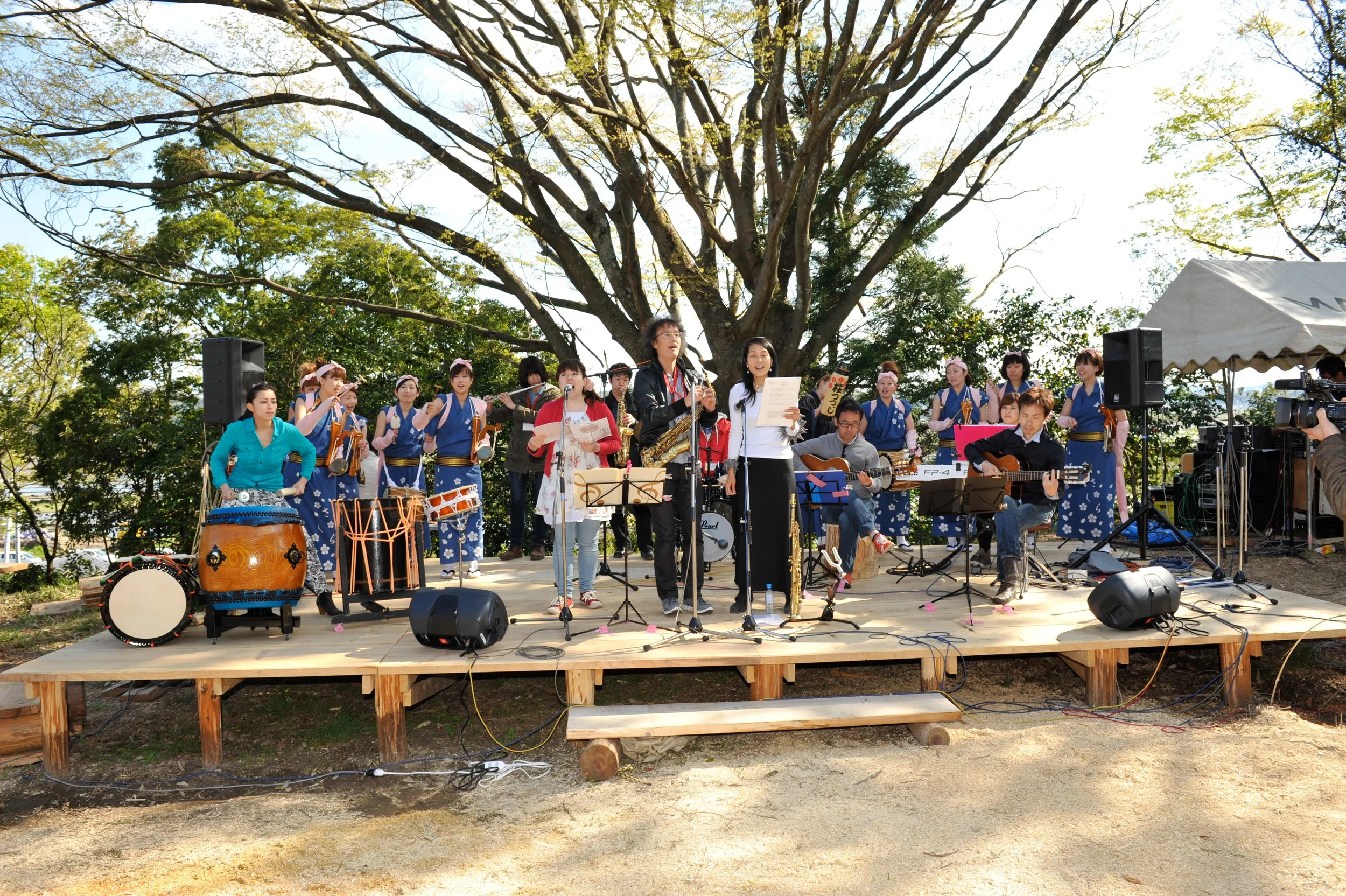
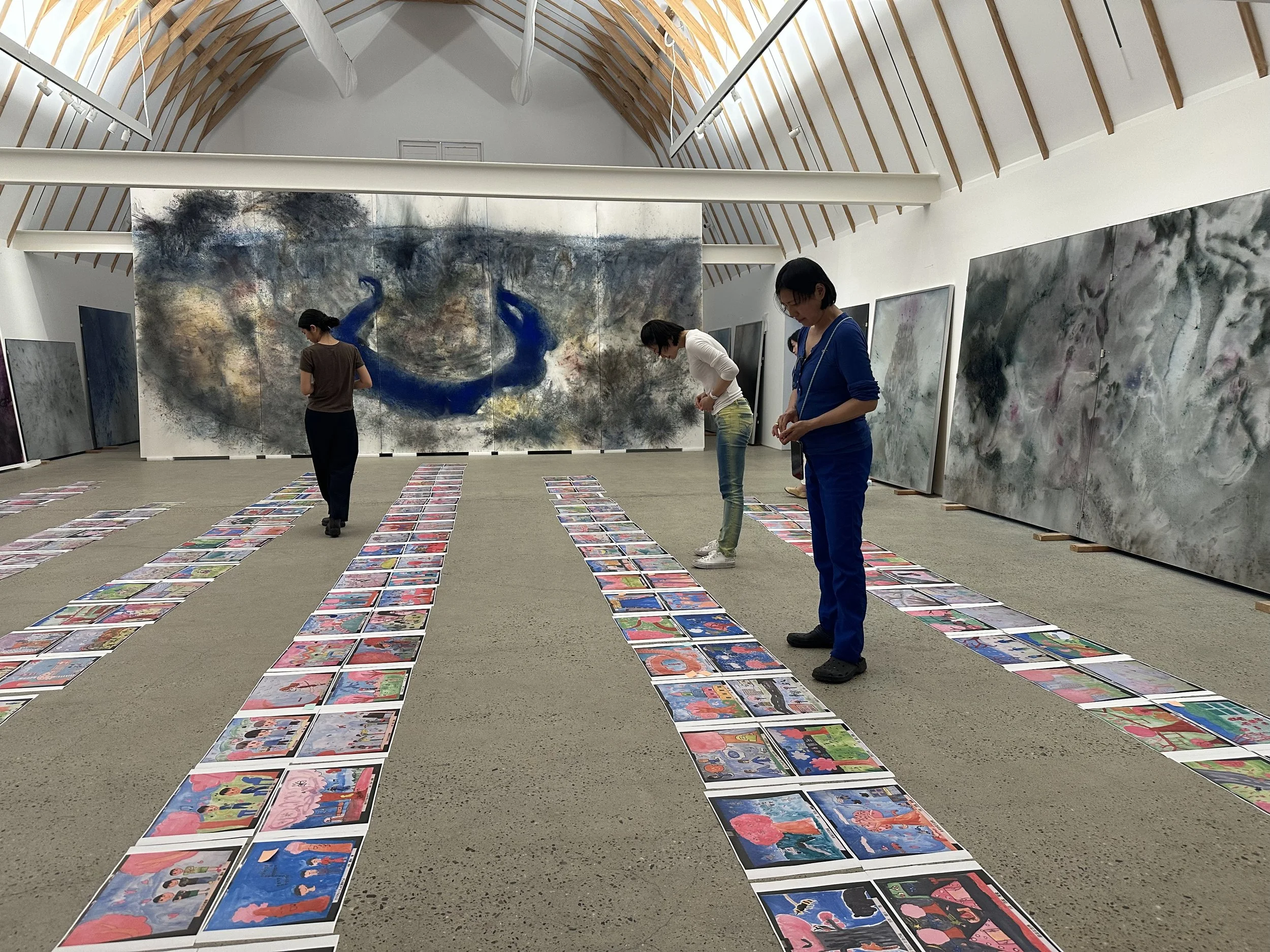
SMoCA was inaugurated on April 28, 2013, with a series of community events. The Iwaki Children’s Painting Competition—now an annual tradition—was launched in conjunction with the opening, with award-winning works receiving prizes prepared by Cai Foundation. On the same occasion, Cai realized a gunpowder explosion on 99 terracotta tiles from his hometown, Quanzhou. These works were later sold in a charity auction at 30 million yen each, with proceeds directed through the Cai Foundation to support SMoCA and the Ten Thousand Cherry Blossoms project.
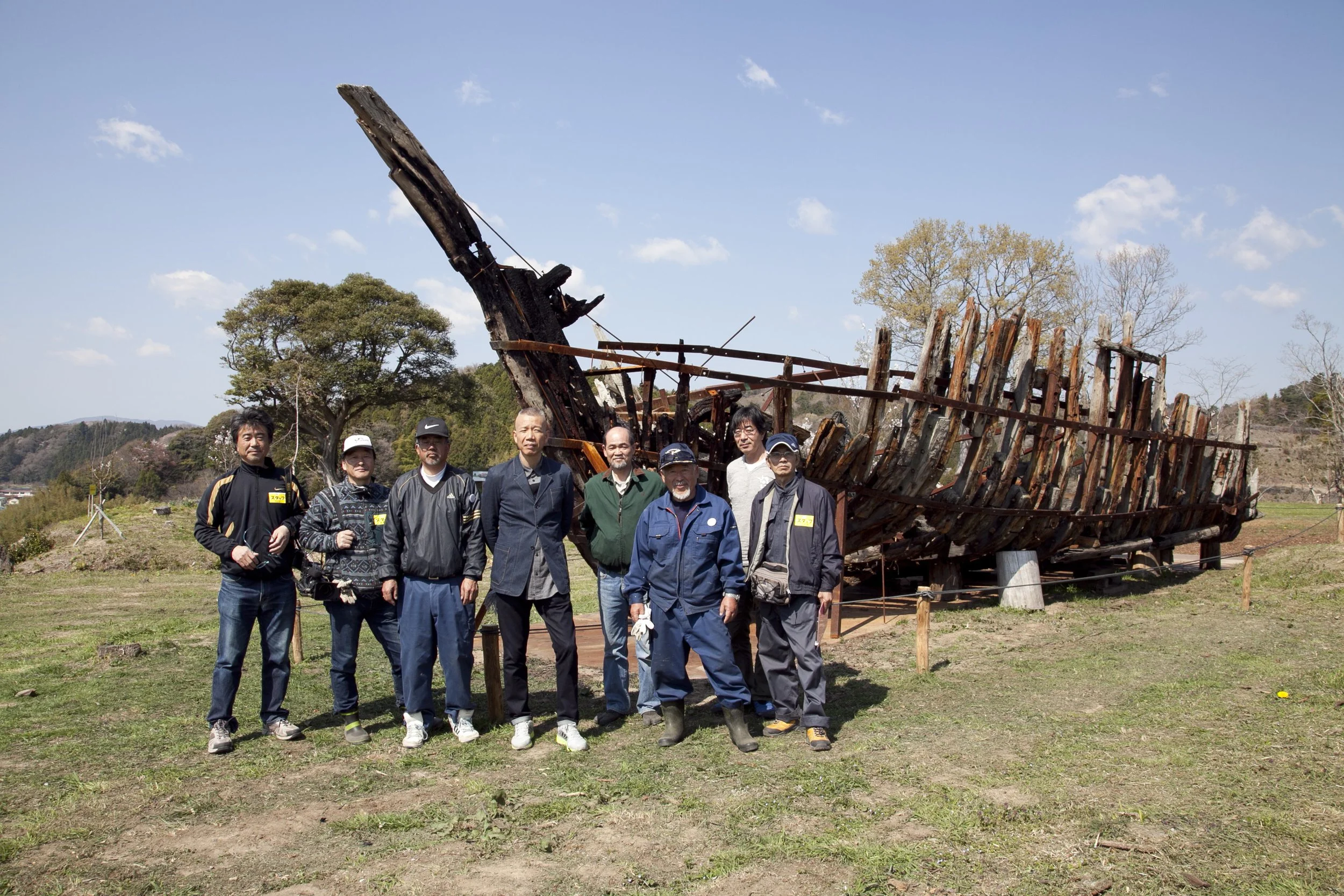
The following year, marking the 20th anniversary of Cai’s bond with Iwaki, a series of new initiatives further enriched the community. These included the Yatai Museum of Art (YMoCA) and Harajuku Kawaii Culture in Iwaki. With the support of volunteers, SMoCA’s corridor was extended to 150 meters, linking the museum to a boat that once formed part of Kaikou—The Keel (Returning Light—The Dragon Bone). Originally excavated from an Iwaki beach in 1994, the boat was reinstalled on an Iwaki hillside, symbolizing continuity and resilience.
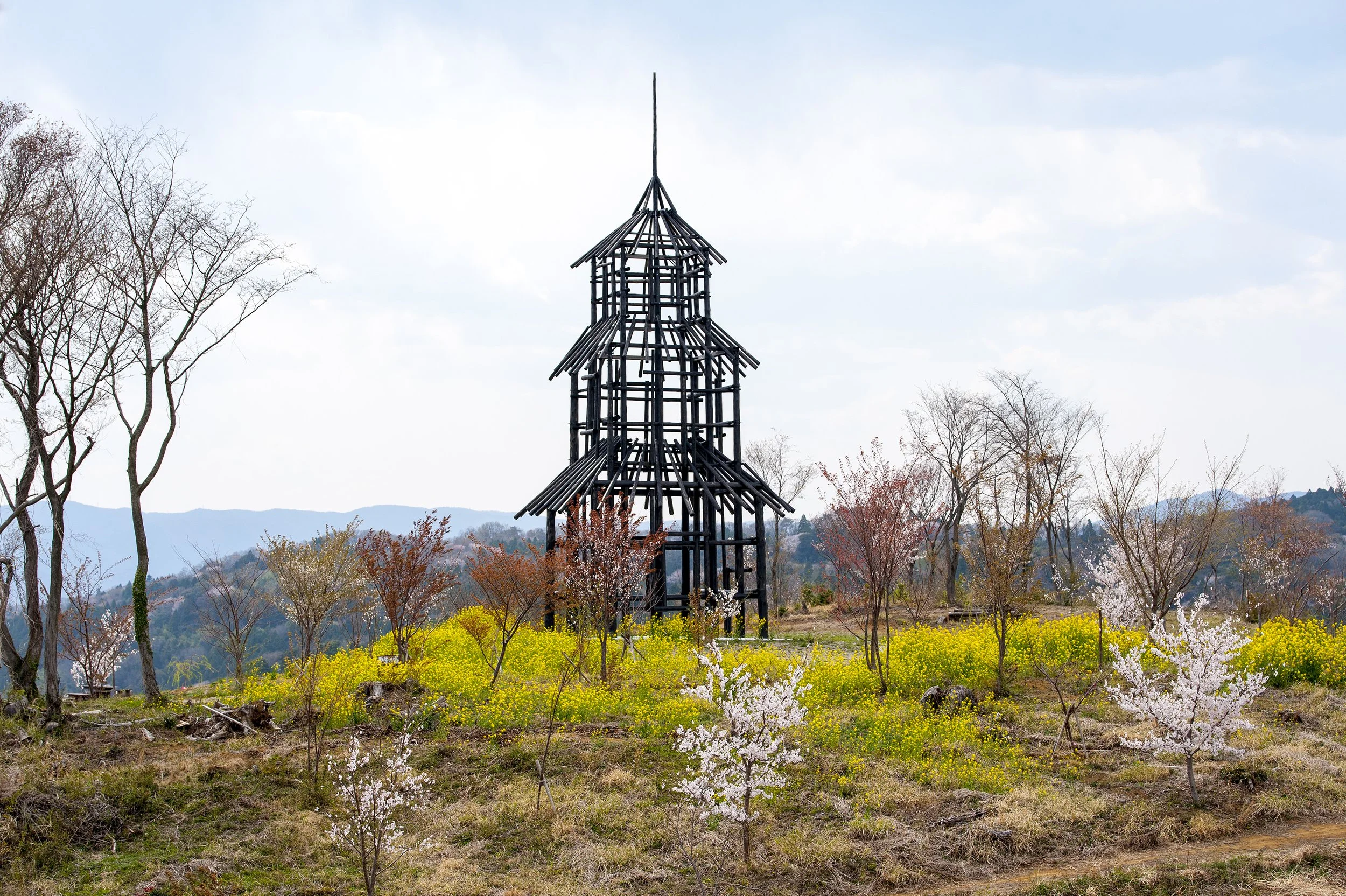
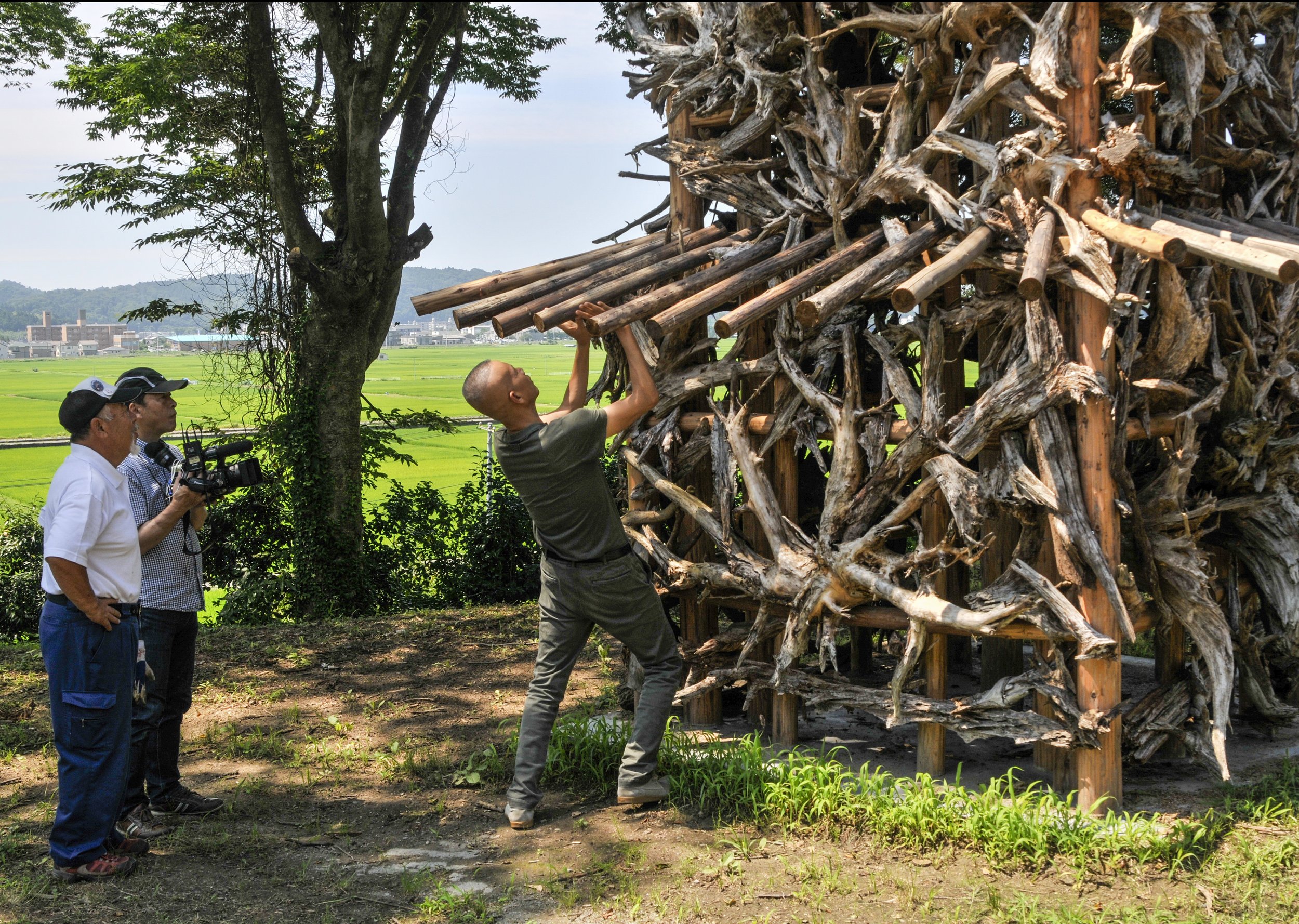
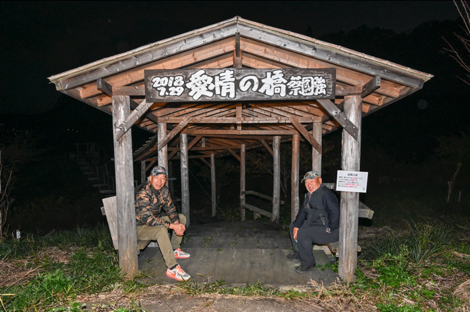
In 2016, Cai and the Iwaki Committee constructed the Ink Tower and Rebirth Tower, monuments that look toward the future and eternity after rebirth, resonating with the spirit of the Ten Thousand Cherry Blossoms project. In 2018, the Cai Foundation further contributed by donating funds for the construction of the Bridge for Love, a suspension bridge embodying connection and unity.
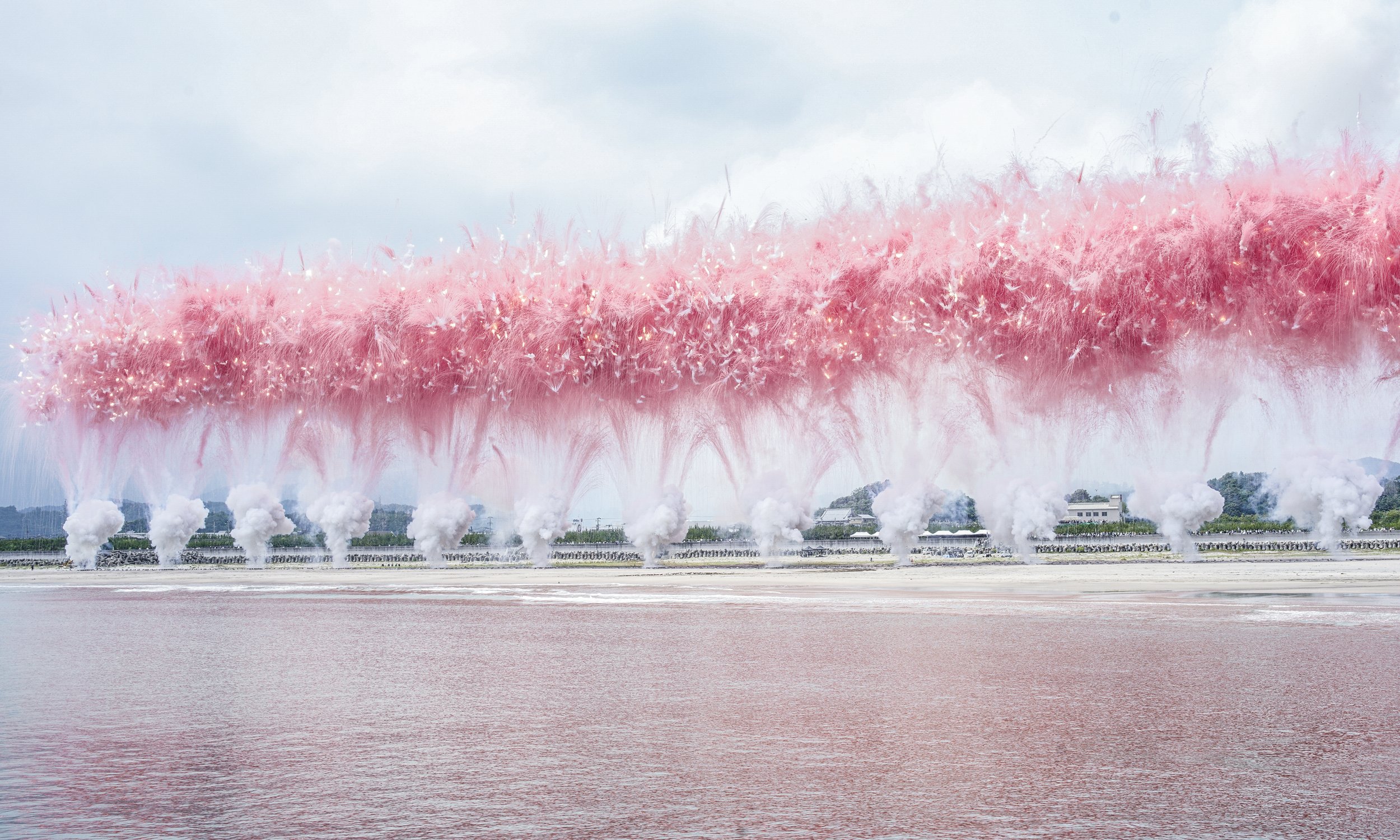
In 2023, the daytime fireworks When the Sky Blooms with Sakura were launched at Yotsukura Coast in Iwaki to mark the tenth anniversary of recovery from the disaster. Originally planned for 2021 but postponed due to the COVID-19 pandemic, the event was organized by the Iwaki Committee of Ten Thousand Cherry Blossoms and commissioned by Saint Laurent. Drawing upon the Eastern philosophical ethos of “requiem,” the project confronted trauma, inspired resilience, and spread hope.
To this day, the Cai Foundation and the Iwaki Committee continue to collaborate, nurturing the cherry blossoms and SMoCA as enduring symbols of resilience, and looking forward to bringing renewed hope and beauty to the lives of Iwaki’s residents for generations to come.