Cai Foundation
Founded in 2016 by Cai Guo-Qiang and his wife Hong Hong Wu, with additional support from the artist’s studio and a community of collaborators, the Cai Foundation is committed to the principle that to receive support is to give support. The Foundation is dedicated to fostering cross-cultural exchange, interdisciplinary artistic practices, socially engaged art, research on overlooked artists and art histories, as well as the development of environmentally friendly pyrotechnic technologies.
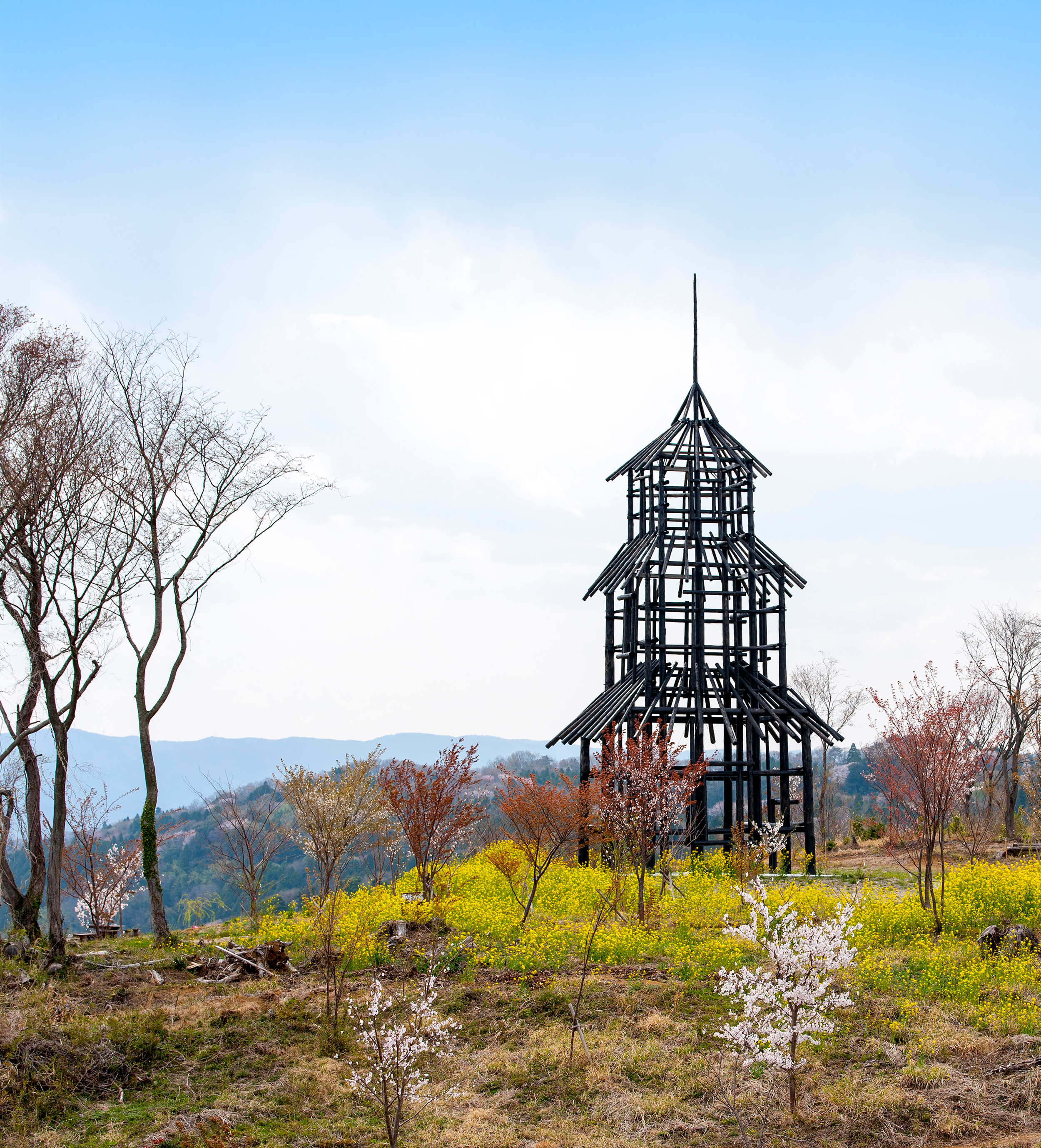
Prior to its founding, Cai and Hong Hong had initiated major projects such as post-earthquake reconstruction in Wenchuan (2008) and Haiti (2011), the creation of the Qiang Intangible Cultural Heritage Center in Sichuan, and over ten long-term social art projects in Iwaki, Japan. In partnership with the Asian Cultural Council, they established the Cai Fellowship Program in 2012, which, as of 2025, has supported more than 20 young artists and scholars to pursue advanced study in the United States.
Mission
To support, advance and promote contemporary visual arts and art initiatives in other related forms both in the US and internationally through exhibition, education, publication, collection, preservation, grant-making and providing fellowship to emerging individual artists.
Commitments
Transcultural Dialogue
Development
Public Art and Politics
Environmental Sustainability
Interdisciplinary Practice
Art History and Cosmology
Art Methodology
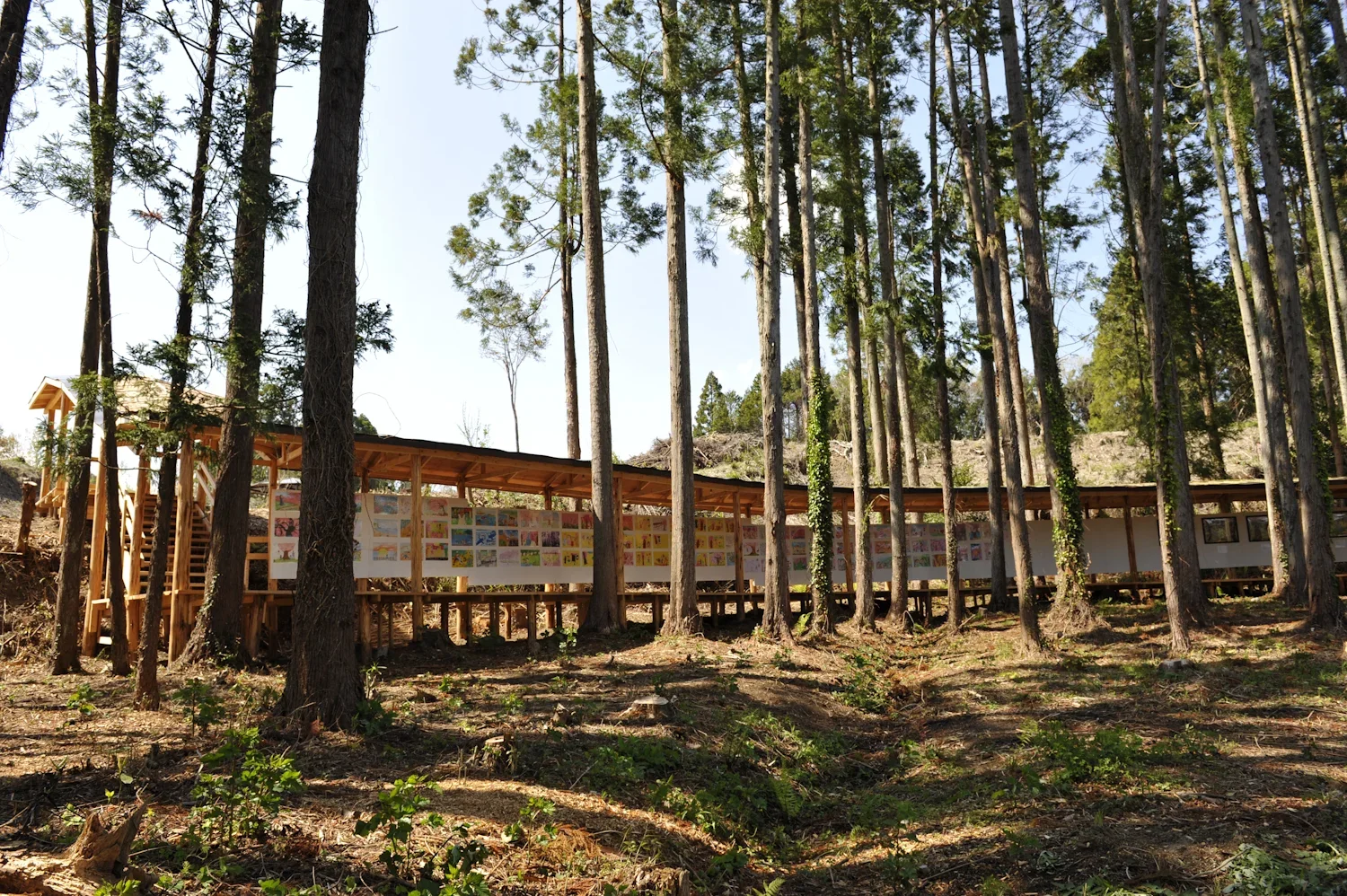
Photo by Ono Kazuo, courtesy Cai Studio
About Cai Guo-Qiang
Cai Guo-Qiang (b. 1957, Quanzhou, China) has lived and worked in New York since 1995. In the early 1980s he trained in stage design at the Shanghai Theatre Academy, China, and from December 1986 to September 1995, he sojourned in Japan for nearly nine years, during the initial phase of which he studied at Tsukuba University in the Plastic Art and Mixed Media research lab. As of July 2025, he has realised over 650 exhibitions and projects over five continents, including more than 120 solo exhibitions and 70 firework explosion events. Notable international solo exhibitions include the Palace Museum, Beijing (2020); National Archaeological Museum of Naples and Archaeological Park of Pompeii, Italy (2019); Uffizi Galleries, Florence, Italy (2018); Museo Nacional del Prado, Madrid (2017); Pushkin State Museum of Fine Arts, Moscow (2017); Solomon R. Guggenheim Museum, New York (2008); and The Metropolitan Museum of Art, New York (2006). He has received numerous awards, including the Golden Lion at the 1999 Venice Biennale, the Hiroshima Art Prize in 2007, and the 2009 Fukuoka Prize. In 2012, he was honoured as a Laureate for the prestigious Praemium Imperiale, in the painting category. The same year, he was named as one of five artists to receive the first US Department of State Medal of Arts for his outstanding commitment to international cultural exchange.